When to Call an Exterminator for Rats: Signs, Solutions, and Long-Term Prevention
Every few weeks, I get a call from a homeowner in Cleveland TN who has heard scratching in the attic or found droppings in the garage. They usually start with the same question: "Do I need an exterminator for rats, or can I handle this myself?" My answer depends on a few things, but the honest truth is that by the time you hear them, the problem is often bigger than it sounds. Rats are secretive, smart, and capable of chewing through materials that would stop most other pests. Knowing when to step back and let a professional step in makes all the difference between a quick fix and a months-long battle.
One of the first signs people notice is a smell. A musty, oily odor in a crawl space or basement often means a rat has been living there long enough to leave a trail. After that come the sounds. Scratching, scampering, and sometimes gnawing. If you hear those noises in the walls or ceiling at night, you are probably sharing your house with a nocturnal rodent. That is when most homeowners start searching online for an exterminator for rats. And that is exactly the right time to act, because every day you wait gives the rats more time to breed and to damage wiring, insulation, and ductwork.
I have seen people try every kind of DIY trick before they call for help. They set snap traps, buy bait stations, and even try ultrasonic devices that are supposed to drive rats away with high-frequency sound. The truth about electromagnetic repellents and ultrasonic devices is disappointing. They barely work. Some studies show rats can get used to the noise in a few days, and the devices do not penetrate walls or furniture well enough to matter. You are better off putting that money toward a home inspection that identifies where the rats are actually coming in.
Understanding the Rat Problem
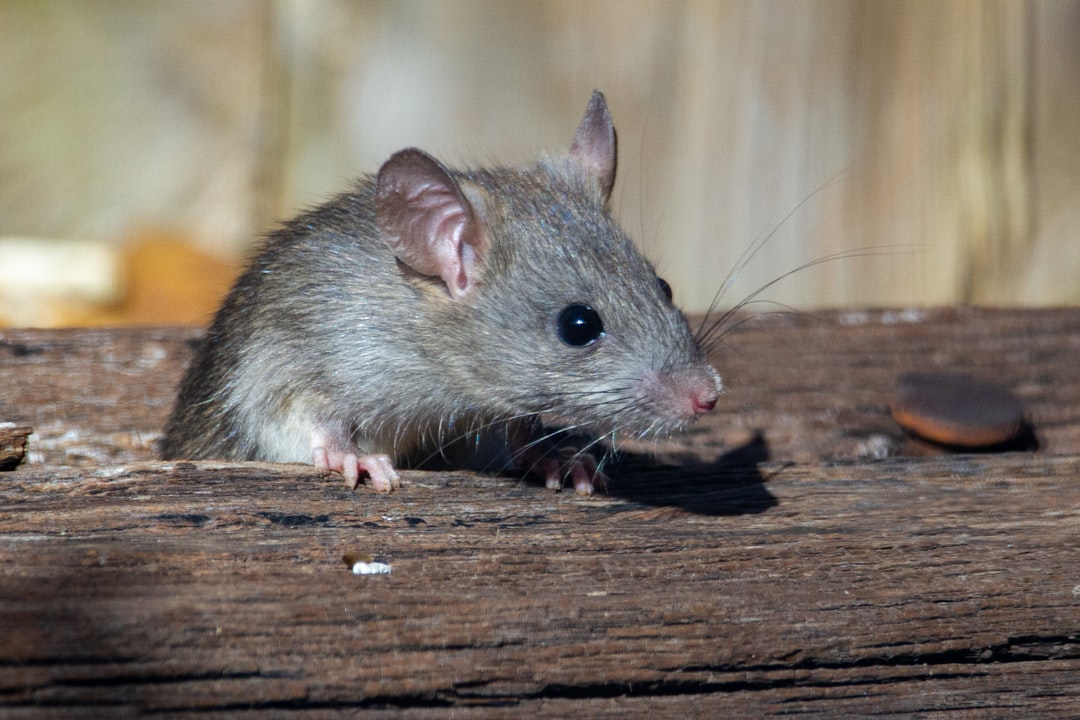
Rats are not just bigger mice. They behave differently, and they require a different approach. Mice are curious and easy to trap. Rats are cautious. They avoid new objects in their environment, which is why an unfamiliar snap trap can sit untouched for a week. A good exterminator for rats knows this and uses strategies like pre-baiting, where the trap is set and baited but not sprung for a few days, so the rats get comfortable. That is the kind of detail that separates a real solution from a wasted weekend.
Another mistake I see is relying on glue boards as the main control method. Glue boards can catch a rat, but they are inhumane and they often catch the wrong animal. Squirrels, birds, and even pets can get stuck. If you use them at all, they should be placed inside a covered bait station to prevent non-target animals from walking into them. Even then, glue boards are a monitoring tool, not a solution. Real control requires integrated pest management, which is a fancy way of saying you need to use multiple methods together: trapping, exclusion, and prevention.
Entry Points: How Rats Get In
The most important thing I do when I visit a property is walk the outside and look for entry points. Rats can squeeze through a hole the size of a quarter. That means gaps around garage doors, spaces where soffit repair is needed, and openings where roof vents meet the siding are all potential highways for rodents. I have found rats coming in through a gap no wider than my thumb. Sealing gaps with metal mesh, caulk, or expandable foam is the only way to stop them for good. But you have to find every gap, and that takes a trained eye.
One house I worked on in Cleveland TN had rats entering through a damaged soffit that the homeowner had never noticed. The soffit repair alone took two hours, but it solved the problem permanently. Without that step, the traps inside the attic would have just been catching new rats as they came in. That is why rodent exclusion is the foundation of any serious rat control plan. You have to shut the door before you start cleaning the house.
Trapping and Baiting
Snap traps remain the gold standard for rats. They are quick, effective, and easy to check. The key is placement. Rats run along walls and edges, so the trap needs to sit perpendicular to the wall with the trigger end facing the baseboard. That forces the rat to step over the trigger as it follows the wall. I usually bait with peanut butter or dried fruit, but I have also used bacon grease and even dog food. The bait matters less than the placement and the pre-baiting strategy.
Bait stations filled with rat poison are another common tool, but they come with trade-offs. Poison can kill the rat, but if the rat dies inside a wall, you will have a smell problem for weeks. Also, poisoned rats can be eaten by owls, hawks, or pets, which causes secondary poisoning. I prefer traps for indoor use and only use bait stations outside, secured and locked, and only when the risk of non-target animals is low. Every situation is different, but the goal is always to remove the rats without creating new problems.

Prevention After Removal
Once the rats are gone, prevention is everything. That means sealing every gap you found, repairing damaged soffits and roof vents, and checking your garage doors for a tight seal. It also means removing food sources. Pet food left out overnight, bird feeders close to the house, and unsecured garbage cans all attract rats. A clean yard is less inviting, but even a clean yard will not stop rats if they can get inside through a hole.
Mice, squirrels, and other nuisance wildlife often follow the same routes as rats. If you solve the entry point problem for rats, you solve it for most other rodents too. That is why a thorough home inspection is worth the cost. It catches problems before they become infestations. I have done inspections where I found five different entry points that the homeowner had no idea existed. Each one was a future invitation for rats, mice, or squirrels.
When to Call a Professional
If you have tried trapping and the rats keep coming, or if you cannot find where they are getting in, it is time to call an exterminator for rats. A professional brings experience, the right tools, and a systematic approach. They will use integrated pest management to combine trapping, exclusion, and prevention into a plan that works for your specific house. They will also know how to handle infestations in attics, crawl spaces, and walls without making the situation worse.
One of the most common things I hear from homeowners is, "I wish I had called sooner." They tried store-bought traps, ultrasonic devices, and even tried to block holes with expanding foam, only to find the rats chewed through it. Rats can gnaw through soft foam, plastic, and even some metals. Professional-grade materials like steel wool and metal flashing are what actually stop them. And professional knowledge of rodent exclusion means knowing exactly where to look and what to use.

If you live in Cleveland TN or anywhere nearby, you know the climate here means rats are active year-round. They breed fast, and a small problem in spring can become a large one by fall. The best time to act is the moment you suspect a problem. Call for a home inspection, let someone look at your roof vents, your soffits, your garage doors, and your foundation. The cost of a professional inspection is nothing compared to the cost of repairing chewed wiring, contaminated insulation, and structural damage that rats can cause in just a few months.
At the end of the day, rats are a problem you want solved completely. Partial solutions just leave the door open for the next generation. Whether you handle it yourself with snap traps and sealing gaps, or you bring in an exterminator for rats who uses integrated pest management, the goal is the same: get them out and keep them out. And that starts with understanding that rats are not invincible. They are just persistent. With the right approach, you can make your home a place they never want to enter.